

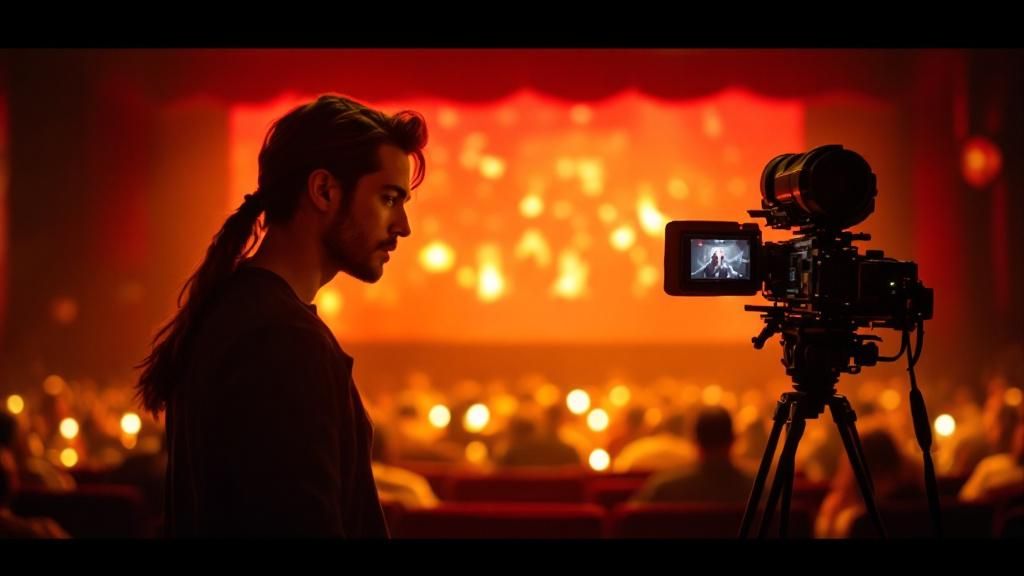
The theatre has experienced a significant transformation in recent years, as state-of-the-art cinematic techniques transform the way spectators interact with stories on stage. From immersive visual projection and digital scenery to advanced lighting systems and audio design, modern theatres are combining conventional theatrical craft with modern visual technology. This article explores how these creative methods are reshaping theatrical narratives, strengthening emotional resonance, and creating unforgettable experiences that blur the boundaries between cinema and live performance, ultimately redefining what audiences expect from theatre in the modern era.
The Evolution of Image-Based Narrative
The journey of stage narrative in theatre has undergone major evolution over the past century. From humble beginnings with backdrop designs and candle-lit performance spaces, stage production has transformed into a complex blend of creative mediums. Initial developments incorporated electrical illumination and mechanised backdrops, fundamentally altering how plots could be communicated. However, the real turning point took place when stage professionals began incorporating film techniques, recognising that audiences’ expectations had shifted dramatically in the wake of film exposure.
Contemporary theatres now harness advanced projection technologies that would have seemed unfeasible mere years past. High-definition mapping systems generate dynamic, three-dimensional environments that respond instantaneously to actors’ physical movements and dramatic beats. These projected imagery transcend mere decoration, becoming key narrative elements themselves. Directors utilise these tools to compress time, transition between locations effortlessly, and visualise abstract concepts that conventional theatre techniques cannot express. The fusion of live acting with cinematic precision has created fresh narrative opportunities.
This evolution illustrates broader cultural changes in how viewers consume content and experience performance. Modern digital audiences seek advanced visual storytelling, whilst purists cherish the theatrical authenticity that film cannot match. Today’s theatres successfully navigate this dynamic, utilising film-inspired methods to intensify emotional resonance without compromising the unique vitality of live performance. This collaboration between tradition and innovation has profoundly reshaped theatrical art for modern viewers.
Immersive Sound Design and Three-Dimensional Sound
Modern theatre productions employ sophisticated sound design systems that exceed traditional sound amplification. Three-dimensional sound systems creates layered spatial sound fields, permitting sound to flow seamlessly around the auditorium, surrounding listeners with immersive audio landscapes. This cutting-edge technique changes the way spectators experience story components, rendering dialogue, music, and effects appear genuinely woven within the stage area rather than just broadcast from speakers.
The incorporation of Dolby Atmos and similar immersive audio formats has become more widespread in modern theatres. These systems enable audio professionals to place sound components exactly within the theatre environment, with overhead speakers that deliver substantial spatial richness. By employing this approach with care, shows create emotional resonance that amplifies dramatic beats, strengthens humorous beats, and establishes atmospheric tension in ways traditional stereo systems cannot deliver.
- Spatial audio places sound across three-dimensional theatrical spaces with precision.
- Dolby Atmos technology facilitates accurate overhead and directional audio positioning.
- Immersive soundscapes strengthen emotional connection among actors and spectators.
- Sound design enhances projected visuals for cohesive sensory encounters.
- Advanced systems support complex narrative layers through sonic narrative methods.
Theatre sound engineers now partner with directors and visual specialists to guarantee audio complements visual elements without disruption. This cross-disciplinary collaboration understands that modern audiences anticipate film-grade sound combined with sophisticated staging. Consequently, shows invest significantly in sound engineering, confirming theatres feature proper technical systems for delivering absorbing audio environments that match cinema sound quality whilst upholding the immediacy and authenticity inherent to live theatrical performance.
Digital Projection and Colour Correction Development
Digital projection technology has profoundly changed theatrical presentations, enabling productions to showcase breathtaking visual narratives with remarkable precision and detail. Modern theatres now employ sophisticated projection technology designed to producing intricate details, vivid visuals, and seamless transitions that engage spectators from the start. This innovation in technology enables directors to craft immersive environments that complement live performances, transforming stages into dynamic canvases where film-like narrative merges seamlessly with stage conventions, enriching the complete storytelling journey.
Colour grading constitutes a crucial innovation in current theatrical design, offering technicians advanced tools to control visual atmospheres and amplify emotional impact. By methodically balancing hues, saturation levels, and contrast ratios, colour graders create characteristic tones that align with narrative themes and character development. This precise technique to colour management ensures that every scene maintains visual coherence whilst producing specific emotional responses, allowing audiences to experience stories through a carefully curated visual language that heightens dramatic tension and psychological depth throughout performances.
The combination of digital display technology and colour correction has substantially changed viewer expectations regarding stage aesthetics and narrative quality. Shows now utilise these techniques to create visually impressive settings that match cinematic experiences whilst preserving the irreplaceable vitality of live theatre. This synthesis of classic theatre and contemporary film techniques shows how innovation can enhance rather than diminish theatrical artistry, establishing fresh benchmarks for immersive entertainment that continue evolving as technology progresses.
